Urgent Hantavirus Warning: CDC Alerts Doctors for Surge in Cases!
The CDC has put out a red flag about a possible increase in hantavirus cases. Here’s what you really need to know to protect yourself.
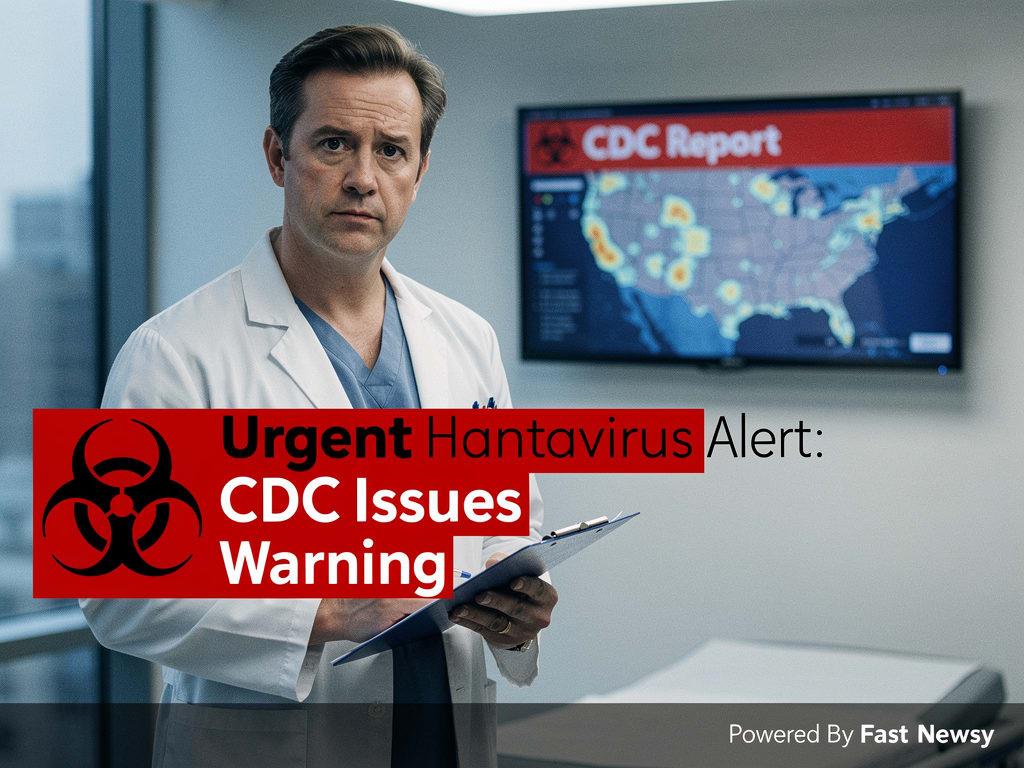
Urgent Hantavirus Warning: CDC Alerts Doctors for Surge in Cases!
Have you caught wind of the latest CDC news? It’s kind of alarming. Hantavirus cases are on the rise, and health officials are raising their voices. Seriously, this is something we need to be cautious about.
So, here’s the deal: hantavirus isn’t a joke. It can cause serious respiratory issues and, yes, even lead to death. The recent spike has doctors across the nation on high alert, making it more important than ever that we grasp what’s really at stake.
What Is Hantavirus?
Hantavirus is a nasty virus that mainly spreads through rodent waste—think droppings, urine, and saliva. Most people get it when they inhale tiny particles from contaminated places. A lot of cases of Hantavirus Pulmonary Syndrome (HPS) pop up in rural spots or areas where rodents are a problem.
Symptoms to Watch For
In the beginning, symptoms can trick you into thinking you have the flu. Common signs include:
- Fever: Out of nowhere, a high fever.
- Chills: These come with muscle aches that just won't quit.
- Cough: A dry cough that can turn into something much worse.
- Shortness of Breath: Trouble breathing that tends to get worse fast.
Preventing Hantavirus Exposure
Prevention is totally key here, so remember these practical tips:
- Seal Your Home: Block up any spots where rodents could sneak in.
- Keep Food Secure: Store your food in containers that rodents can’t break into.
- Clean Up Effectively: Use gloves—seriously, gloves—when cleaning areas that might have rodent droppings.
- Consider Professional Help: If you’ve got a big rodent problem, don’t hesitate to reach out to pest control.
FAQ
What should I do if I suspect hantavirus exposure?
If you think you have been exposed, don’t wait—call a healthcare professional ASAP. Early intervention can be a game changer.
Conclusion
To wrap it up, being aware and prepared is your best bet against hantavirus. Honestly, it’s smart to stay in the loop and take steps that keep you and your loved ones safe. So, pass this info along, and let’s look out for one another!